
You spent hours selecting the perfect yarn, swatching for gauge, and stitching every row with care—only to hear a customer say, “$45 for a hat? I could buy that at the store for $15!” Sound familiar? If you’ve ever felt guilty charging what your handmade work is truly worth, you’re not alone. Many crochet artisans underprice their creations, either out of fear of scaring buyers away or because they don’t know how to calculate fair value. But here’s the truth: your time, skill, and creativity have real worth—and pricing accordingly isn’t greedy, it’s necessary.
Whether you sell at craft fairs, on Etsy, or through word of mouth, pricing your crochet projects correctly ensures you’re not just breaking even—you’re building a sustainable creative business. In this guide, you’ll learn three proven pricing formulas used by successful makers, how to account for hidden costs (like wear on your hands or shipping supplies), and how to communicate your value with confidence. We’ll also cover common pitfalls—like comparing yourself to fast fashion—and share scripts to handle pricing conversations gracefully.
Because when you price with clarity and respect—for your craft and your customers—you attract the right buyers and create work that feels rewarding, not exhausting.
Why Underpricing Hurts You (and the Whole Handmade Community)
It’s tempting to set low prices to “stay competitive,” especially when big retailers sell mass-produced beanies for under $10. But handmade crochet is not comparable to factory-made goods—and pricing like it is does more harm than good.
When you underprice:
- You devalue your own labor (Would you work a part-time job for $2/hour?)
- You set unrealistic expectations for customers, who then expect all handmade goods to be cheap
- You discourage other makers from charging fairly, creating a race to the bottom
According to a 2023 Etsy survey, over 60% of new sellers underprice their work in the first year, often leading to burnout or quitting altogether. Handmade isn’t just about the materials—it’s about skill, design, attention to detail, and emotional labor.
Think of it this way: A store-bought scarf might cost $12, but it was made by machines in a factory, with no one personally checking each stitch. Your scarf? It was made with intention, adjusted for drape, blocked for perfection, and wrapped with care. That’s not just a product—it’s a personal experience.
Pricing fairly isn’t about being expensive—it’s about being honest.
The Three Pillars of Smart Pricing: Materials, Time, and Overhead
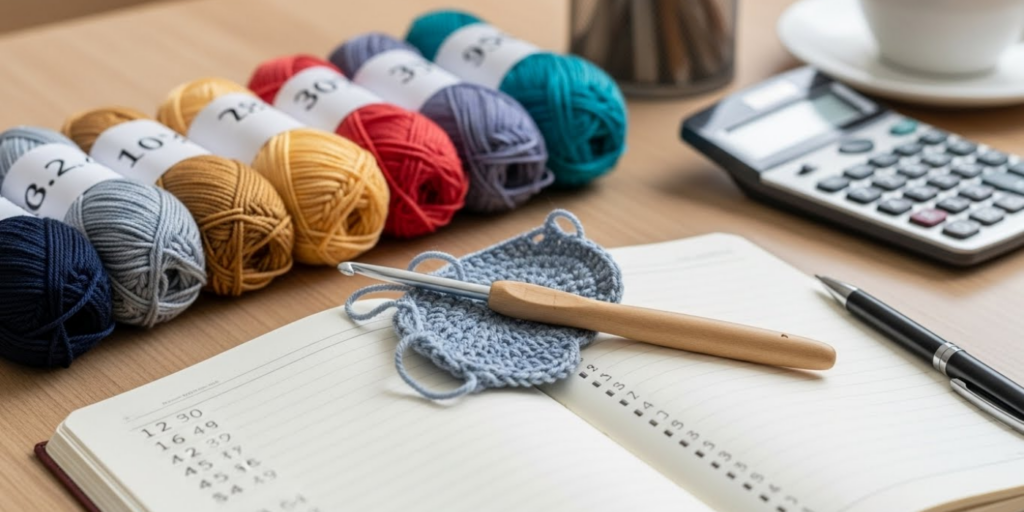
To price confidently, break your cost into three clear components:
1. Materials
This includes all physical supplies:
- Yarn (calculate exact yardage used, not just “one skein”)
- Stitch markers, buttons, zippers, or embellishments
- Packaging (boxes, tissue paper, stickers)
- Shipping supplies (poly mailers, tape, labels)
Tip: Keep a spreadsheet with the cost per yard of your most-used yarns. Example: If a $4 skein has 200 yards and your beanie uses 120 yards, the yarn cost is $2.40.
2. Time
This is where most makers undercount. Track your actual time:
- Design/swatching
- Crocheting
- Finishing (weaving ends, blocking, attaching tags)
- Photography and listing (if selling online)
Then assign an hourly rate. Even if you’re just starting, $10–$20/hour is reasonable. If a baby blanket takes 8 hours at $15/hour, that’s $120 in labor alone.
3. Overhead & Profit
Don’t forget “invisible” costs:
- Hook depreciation
- Website fees (Etsy, PayPal, Shopify)
- Craft fair booth fees
- Utilities (lighting, heating your workspace)
Add 10–20% to cover these, plus a profit margin (yes, you deserve profit!). This keeps your business sustainable.
Three Tried-and-True Pricing Formulas (With Real Examples)
Here are three industry-standard methods—use the one that fits your style.
Formula 1: The Craft Pricing Method
(Materials + Labor) × 2 = Wholesale
Wholesale × 2 = Retail
Example:
- Materials: $6
- Labor (3 hrs × $15): $45
- Total: $51
- Retail price: $51 × 2 = $102
This ensures you’re covered whether selling direct or to a boutique.
Formula 2: The Hourly Rate Method
(Materials) + (Hours × Hourly Rate) + (Overhead/Profit)
Example:
- Materials: $8
- Time: 5 hrs × $18 = $90
- Overhead (15%): $14.70
- Total: $112.70 → round to $115
Great for custom or complex pieces.
Formula 3: The Market Comparison Method
Research similar handmade items (not store-bought!) on Etsy or Instagram. If comparable crocheted cardigans sell for $120–$160, price yours in that range—then adjust based on your materials and time.
Pro Tip: Never use store prices as a benchmark. Compare only to other handmade artisans.
For a simple beanie:
- Materials: $4
- Time: 2 hrs × $15 = $30
- Total before profit: $34
- Retail price: $45–$55 (not $15!)
Handling Objections and Communicating Your Value
Even with fair pricing, you’ll hear, “That’s so expensive!” How you respond matters.
Instead of apologizing, try these confident, kind scripts:
“I totally get that! My pieces are priced based on the cost of quality yarn and the 6+ hours of hand-stitching that goes into each one. I want it to last you for years.”
“Handmade means no two are exactly alike—and every stitch is made with care just for you. That personal touch is what makes it special.”
“I appreciate your interest! If this isn’t in your budget right now, I also offer smaller items like [mention a lower-priced product] or seasonal sales.”
Show your process. Post time-lapse videos, close-ups of stitch detail, or “day in the life” stories. When customers see the effort, they understand the price.
Also, offer payment plans for big-ticket items (like wedding shawls or custom blankets). This makes your work accessible without devaluing it.
Remember: The right customer won’t flinch—they’ll appreciate the craftsmanship.
Special Considerations: Custom Orders, Bulk Discounts, and Sales
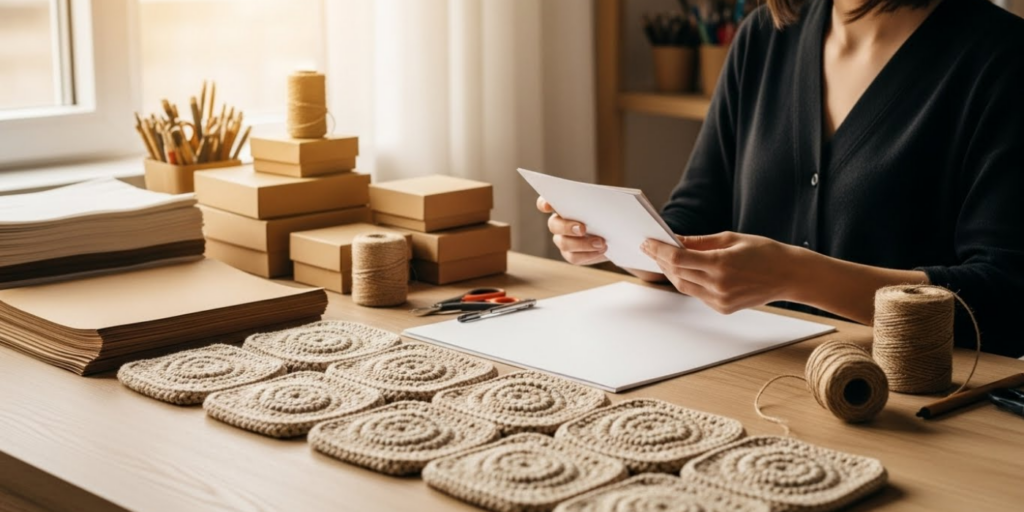
Not all pricing is one-size-fits-all.
Custom orders should cost 20–30% more than standard items. Why?
- Extra communication time
- Unique swatching or design tweaks
- Higher emotional labor (you’re fulfilling a personal vision)
Bulk orders (e.g., 10 baby hats for a boutique):
- Offer a wholesale rate (usually 40–50% off retail)
- But never discount below your cost + profit
- Require a deposit to protect your time
Sales and promotions:
- Plan them strategically (holidays, shop anniversaries)
- Never discount your entire shop—it trains customers to wait for sales
- Instead, offer a free gift (like a matching headband with a sweater purchase)
And avoid “per item” pricing for sets. A scarf-and-hat set should cost less than buying both separately—but not so much that you lose money.
Final Thoughts: You’re Worth More Than You Think
Pricing your crochet work fairly isn’t just about numbers—it’s about respect. Respect for your skill, your time, and the legacy of handmade craft. Every stitch you make carries your creativity, patience, and heart. That’s priceless—but it still needs a price tag that reflects its true value.
When you charge confidently, you teach customers to value handmade goods. You support your own well-being. And you make space for more beautiful work to exist in the world.
So take a deep breath, run the numbers, and trust that the right people will say “yes”—not in spite of your price, but because of what it represents: quality, care, and authenticity.
What’s the hardest part about pricing your work for you? Have you found a formula that works? Share your experience or questions in the comments below—let’s build a community that values handmade, one fair price at a time.

Sophia Williams is a crochet enthusiast who found in yarn and hooks a creative way to express calm, patience, and love for handmade art. Focused on the crochet niche, she shares her experience, techniques, and inspiration with those who want to learn, relax, and create meaningful pieces stitch by stitch.