Introduction
What if your love for crochet could fund your yarn habit—and maybe even become a real source of income? You’ve spent hours perfecting your stitches, testing gauges, and writing clear, user-friendly patterns. Now, you’re ready to share your designs with the world and get paid for your creativity. But where do you start?
With the rise of handmade culture and digital marketplaces, selling crochet patterns online has never been more accessible. However, not all platforms are created equal. Some offer built-in audiences but take big commissions; others give you full control but require you to drive your own traffic.
In this guide, we’ll break down the top platforms to sell crochet patterns successfully, comparing their fees, audiences, ease of use, and support for designers. You’ll also learn practical tips for pricing, presenting your patterns, and building a loyal customer base—whether you’re launching your first design or scaling an existing shop.
Whether you dream of passive income from evergreen patterns or want to build a recognizable brand in the fiber community, this article will help you choose the right home for your work. Let’s turn your passion into profit—one stitch at a time.
Why Choosing the Right Platform Matters
Think of your crochet pattern like a song. You could post it on a crowded street corner (low visibility, no protection), or you could release it on a streaming platform with millions of listeners (high reach, but you share revenue). The platform you choose dramatically affects your discoverability, earnings, and long-term brand growth.
According to a 2024 survey by Craft Business Daily, 67% of independent pattern designers earn more when they focus on 1–2 well-chosen platforms rather than spreading thin across five. Why? Because each platform has its own culture, customer expectations, and marketing tools.
Moreover, some platforms protect your work with automatic copyright notices and secure PDF delivery, while others leave you vulnerable to piracy. Some integrate with email lists and social media; others are purely transactional.
Your goal isn’t just to sell—it’s to connect with the right crafters who value your style, trust your instructions, and come back for more. That starts with picking a platform aligned with your goals.
1. Etsy: The Go-To Marketplace for Handmade & Digital Creators
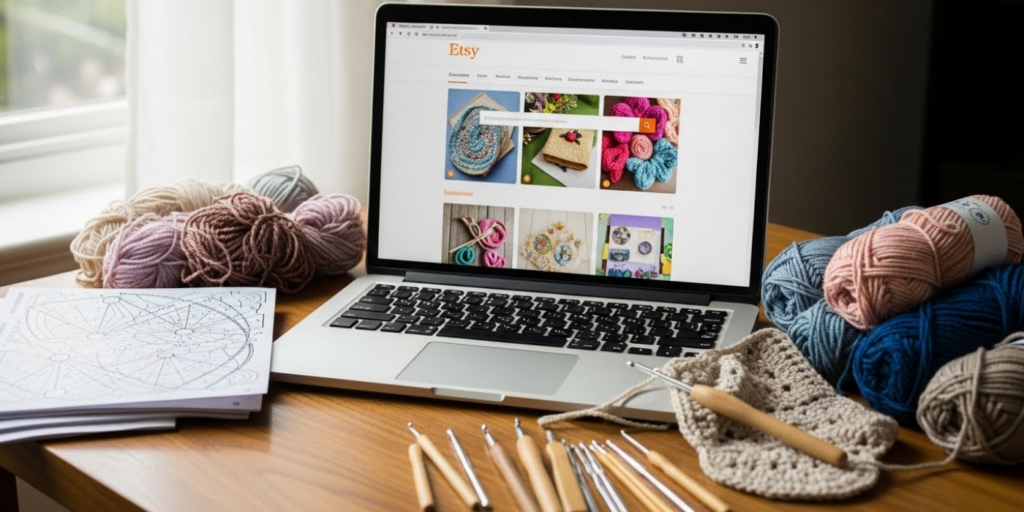
For many designers, Etsy is the first—and most successful—stop for selling crochet patterns.
Why it works:
- Built-in audience: Over 95 million buyers actively search for “crochet patterns” on Etsy every month.
- SEO-friendly: Etsy’s search algorithm rewards clear titles, tags, and descriptions (e.g., “Beginner-Friendly Amigurumi Cat Pattern – PDF Instant Download”).
- Trust factor: Buyers feel safe purchasing digital downloads from Etsy thanks to its buyer protection policies.
Fees:
- $0.20 per listing
- 6.5% transaction fee
- 3% + $0.25 payment processing fee
Best for: Beginners, niche designs (e.g., pet sweaters, holiday decor), and designers who want to test ideas quickly.
Pro tips:
- Use high-quality mockups (not just photos of your finished item) to show the pattern’s professionalism.
- Include stitch tutorials or video links to reduce customer questions.
- Offer bundles (e.g., “5 Coaster Patterns for $8”) to increase average order value.
One success story: Designer Lena M. launched her “Tiny Dinosaur Amigurumi” pattern on Etsy with no following. Within six months, it became a bestseller—earning her $3,000+ and leading to collaborations with yarn brands.
Downside: High competition means you must optimize listings carefully and stand out with branding and customer service.
2. Ravelry: The Heart of the Fiber Community
If Etsy is the marketplace, Ravelry is the clubhouse—and it’s where serious knitters and crocheters gather.
Why it works:
- Highly engaged audience: Over 8 million users, most of whom actively seek new patterns.
- Free listings: No upfront or transaction fees for pattern sales (you keep 100%!).
- Project tracking: Buyers can “favorite,” queue, and post finished projects—giving your pattern organic visibility.
How it works:
Ravelry doesn’t handle payments. Instead, you link to your external shop (like your own website or Etsy) from your Ravelry pattern page. But the exposure is priceless.
Best for: Intermediate to advanced designers who already have a shop or are building one. Ideal for garment patterns, lace designs, or technical projects that appeal to dedicated crafters.
Pro tips:
- Fill out every field in your pattern listing (yarn weight, gauge, difficulty level)—Ravelry users rely on this data.
- Encourage buyers to post finished object (FO) photos—this builds social proof.
- Join relevant forums or groups (e.g., “Amigurumi Lovers”) to share new releases respectfully.
Note: Ravelry underwent ownership changes in 2023 and is rebuilding trust, but it remains a powerful discovery tool—especially for complex or heirloom-quality patterns.
3. Your Own Website: Full Control, Full Potential
Selling directly through your own website (using platforms like Shopify, WooCommerce, or Squarespace) gives you the highest profit margin and complete creative freedom.
Why it works:
- Keep 95–100% of revenue (minus payment processor fees)
- Build your email list and customer relationships
- Brand consistency: Your site reflects your unique style, not a generic marketplace template
Best for: Designers with an existing audience (via Instagram, YouTube, or a blog) or those planning long-term business growth.
Setup tips:
- Use Gumroad or Payhip for simple, low-cost digital storefronts (no coding needed)
- Offer free patterns as lead magnets to grow your email list
- Add customer reviews and FAQs to reduce support requests
Real impact: Crochet YouTuber Maya R. sells her “Boho Market Bag” exclusively on her site. With 50,000+ subscribers, she earns 5x more per sale than she would on Etsy—plus, she owns all her customer data.
Challenge: You must drive your own traffic through social media, SEO, or paid ads. But the payoff in loyalty and lifetime value is huge.
4. LoveCrafts: The Global Retail Powerhouse
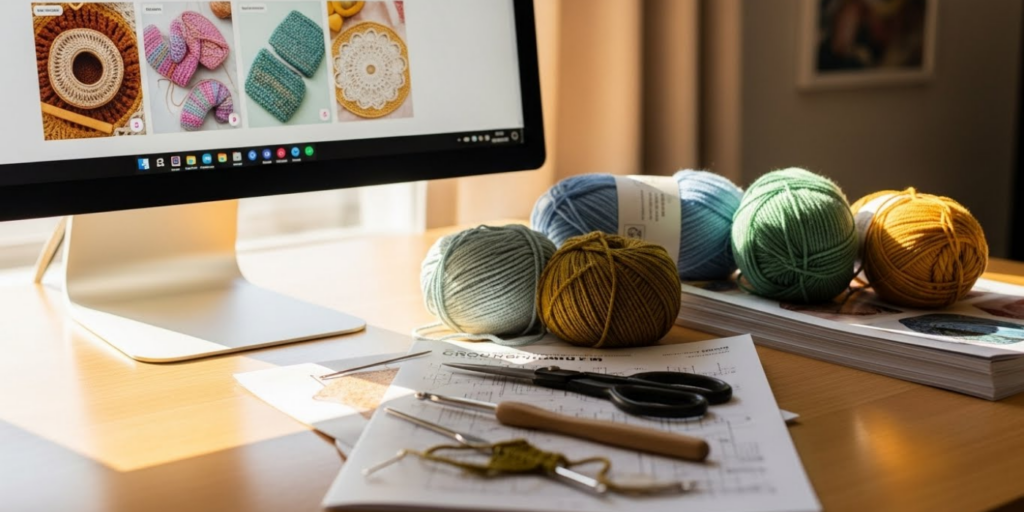
Formerly LoveKnitting and LoveCrochet, LoveCrafts is a UK-based platform that’s rapidly growing in the U.S. market. It combines physical yarn sales with digital pattern downloads.
Why it works:
- Massive international reach
- Professional presentation: Patterns appear alongside premium yarns, boosting perceived value
- Easy onboarding: Upload PDFs, set price, and go live in minutes
Fees:
- 20–30% commission (negotiable for high-volume designers)
Best for: Designers with polished, tested patterns that pair well with specific yarns (e.g., “Shawl in Malabrigo Lace”).
Bonus: If your pattern uses a yarn they sell, LoveCrafts may feature it in curated collections or email campaigns.
Limitation: Less control over pricing and customer communication. But for passive exposure, it’s a strong secondary channel.
5. Social Media & Emerging Options (Instagram, TikTok, Ko-fi)
While not traditional “marketplaces,” platforms like Instagram, TikTok, and Ko-fi are becoming viable sales channels—especially for visual, trend-driven designs.
How it works:
- Post a reel or carousel showing your finished project
- Link to your Etsy or website in bio
- Use Linktree or Beacons to organize multiple links
Ko-fi is particularly designer-friendly:
- No fees on “Buy Me a Coffee”-style donations or digital sales
- Simple storefront setup
- Supports memberships and tips
Best for: Viral-friendly items (e.g., “Cottagecore Granny Square Blanket” or “Crochet Boba Tea Cozy”) and younger audiences.
Success example: A TikTok video of a teen crocheting a tiny avocado amigurumi went viral, driving 10,000+ views to her $3 Etsy pattern in one weekend.
Key: Focus on storytelling and personality—people buy from makers they feel connected to.
Tips for Maximizing Sales on Any Platform
No matter where you sell, these universal strategies boost conversions:
- Professional photos: Use natural light, clean backgrounds, and multiple angles (including close-ups of stitches).
- Clear, tested instructions: Include stitch counts, charts, and troubleshooting tips. Nothing kills reviews faster than confusing directions.
- Fair pricing: Most single patterns sell for $3–$7. Complex garments: $8–$12.
- Responsive customer service: Answer messages within 24–48 hours. Happy buyers leave 5-star reviews and return.
- Update and improve: Fix typos, add metric conversions, or include video links based on feedback.
Remember: Your pattern isn’t just a PDF—it’s a promise of success for the buyer. Deliver on that, and they’ll become your biggest promoter.
Conclusion
Selling crochet patterns successfully isn’t about being everywhere—it’s about being where your ideal customers already are. Etsy offers instant access to eager buyers. Ravelry builds credibility in the fiber world. Your own website creates long-term freedom and profit. LoveCrafts and social media open doors to new audiences.
The best strategy? Start with one primary platform (Etsy is ideal for most beginners), then expand as your brand grows. Focus on quality, clarity, and connection—and the sales will follow.
Your patterns are more than instructions; they’re invitations for others to create joy, relaxation, and beauty. And that’s something worth sharing—and selling.
We’d love to hear from you!
Are you already selling patterns? Which platform has worked best for you? Or are you dreaming of launching your first design? Share your questions, wins, or favorite tools in the comments below—and don’t forget to encourage a fellow maker who’s ready to take the leap! Your next bestseller is waiting to be published. 🧶✨

Sophia Williams is a crochet enthusiast who found in yarn and hooks a creative way to express calm, patience, and love for handmade art. Focused on the crochet niche, she shares her experience, techniques, and inspiration with those who want to learn, relax, and create meaningful pieces stitch by stitch.