Introduction
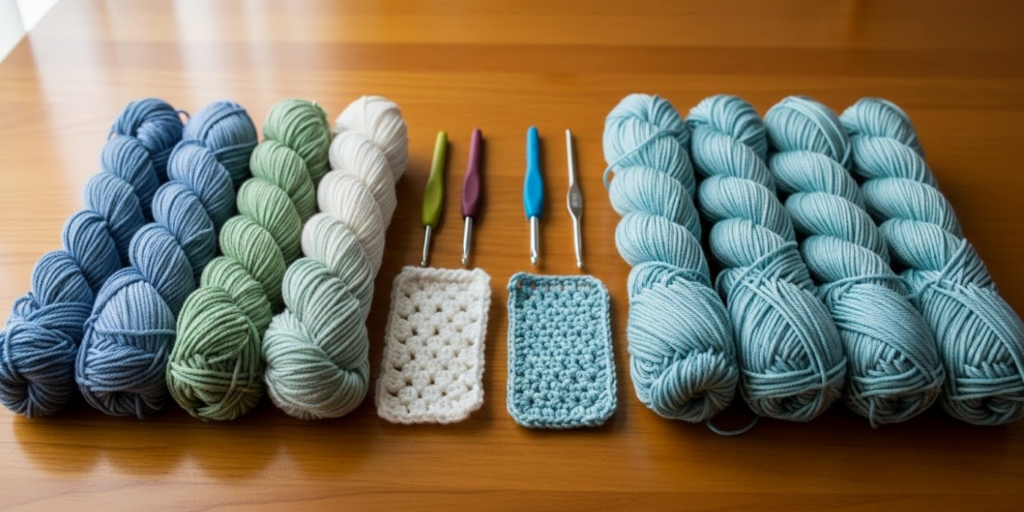
You’re standing in the craft store, yarn in hand, trying to decide between a soft, natural cotton skein and a brightly colored acrylic ball. Both look great—but which one will actually work best for your project? If you’ve ever felt torn between these two popular yarn types, you’re not alone. Cotton and acrylic are among the most widely used fibers in crochet and knitting, yet they behave very differently in texture, durability, and care.
Choosing the wrong yarn can mean a dishcloth that stretches out after one wash—or a baby blanket that pills after a week of cuddles. But with a little insight, you can pick the perfect fiber every time.
In this guide, we’ll break down the key differences between cotton and acrylic yarn, covering everything from stitch definition and drape to washing instructions and eco-impact. You’ll learn when to reach for cotton (and when to avoid it), why acrylic might be your secret weapon, and how to match yarn to project with confidence. Whether you’re making a market bag, a sweater, or a gift for a newborn, this comparison will help you stitch smarter—not harder.
Fiber Fundamentals: What Makes Cotton and Acrylic So Different?
At their core, cotton and acrylic are worlds apart—literally and chemically.
Cotton is a natural plant fiber, harvested from the fluffy bolls around cotton seeds. It’s breathable, absorbent, and biodegradable. Most cotton yarns used in crafting are mercerized (treated for extra sheen and strength) or blended with a touch of synthetic fiber for elasticity.
Acrylic, on the other hand, is 100% synthetic, made from petroleum-based polymers. It’s engineered to mimic wool or cotton at a lower cost, with consistent color, softness, and machine-washability.
This fundamental difference affects everything—from how the yarn feels in your hands to how your finished project behaves over time.
Why it matters: Your fiber choice impacts not just the look of your work, but also its function, longevity, and care routine. A cotton sweater might shrink in the dryer, while an acrylic one could melt near a heater. Knowing these traits helps you avoid heartbreak (and wasted time).
Stitch Definition and Drape: How Fiber Affects Your Fabric
One of the most noticeable differences? How your stitches look and feel.
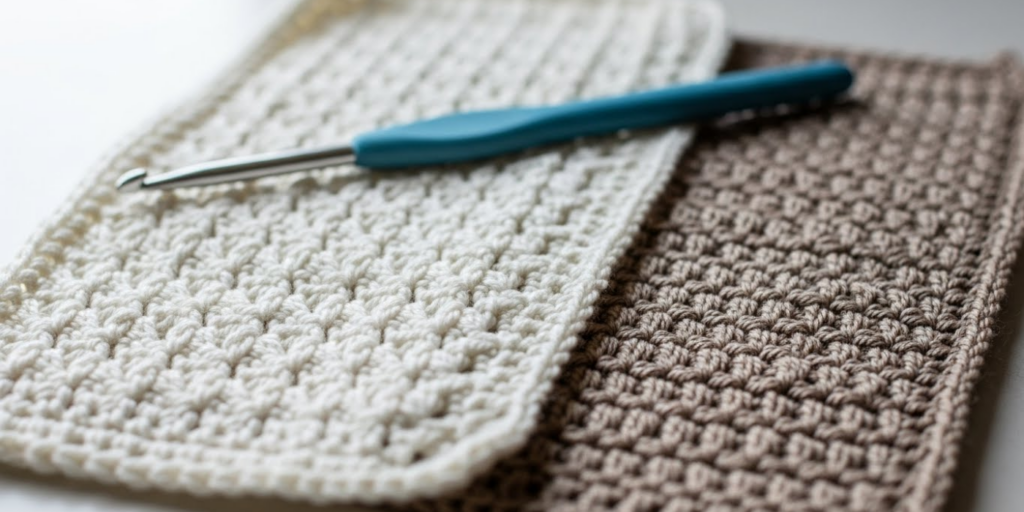
Cotton yarn has excellent stitch definition. Because it’s less elastic, it holds crisp edges and clear textures—perfect for lace, cables, or intricate filet crochet. However, that same lack of “give” means cotton projects can feel stiff or dense, especially when worked tightly.
It also doesn’t bounce back. A cotton market bag will stretch under weight and may not fully recover its shape. That said, this firmness is ideal for items that need to hold structure—like coasters, potholders, or structured totes.
Acrylic yarn, by contrast, is softer and more elastic. It drapes beautifully, making it great for garments, scarves, or baby blankets. Its slight stretch helps garments conform to the body without bagging. However, acrylic can blur fine details—lace patterns may look fuzzy, and textured stitches (like bobbles) can lose definition.
Real-world example:
- A cotton dishcloth shows every stitch clearly and dries quickly.
- An acrylic afghan feels plush and snuggly but may pill after repeated washing.
Pro tip: If you love the look of cotton but want more drape, try a cotton-bamboo blend. For acrylic with better stitch clarity, choose a high-twist or matte-finish version (many premium brands offer these).
Care and Durability: Will It Last Through Real Life?
Let’s talk laundry—because no one wants to hand-wash a toddler’s blanket every week.
Cotton is machine-washable, but with caveats:
- It shrinks (especially if not pre-washed)
- It can fade in bright colors
- It may stretch or sag when wet
- It wrinkles easily unless blended
That said, high-quality cotton (like Lion Brand 24/7 Cotton or Sugar ’n Cream) holds up well over time and gets softer with each wash—great for items used daily.
Acrylic, meanwhile, is the champion of easy care:
- Won’t shrink in the wash or dryer
- Resists fading, pilling, and moths
- Dries quickly
- Holds its shape well
But there’s a trade-off: acrylic doesn’t breathe, so it can feel hot or clammy in warm weather. It’s also prone to static and can melt if exposed to high heat (like a hair dryer or campfire).
For practicality:
- Choose acrylic for baby items, charity blankets, or gifts (easy care = happy recipients)
- Choose cotton for kitchenware, summer garments, or eco-conscious projects
Bonus: Cotton is biodegradable; acrylic is not. If sustainability matters to you, cotton (especially organic) has a smaller environmental footprint—though water use in cotton farming is a valid concern.
Comfort and Skin Sensitivity: Which Feels Better?
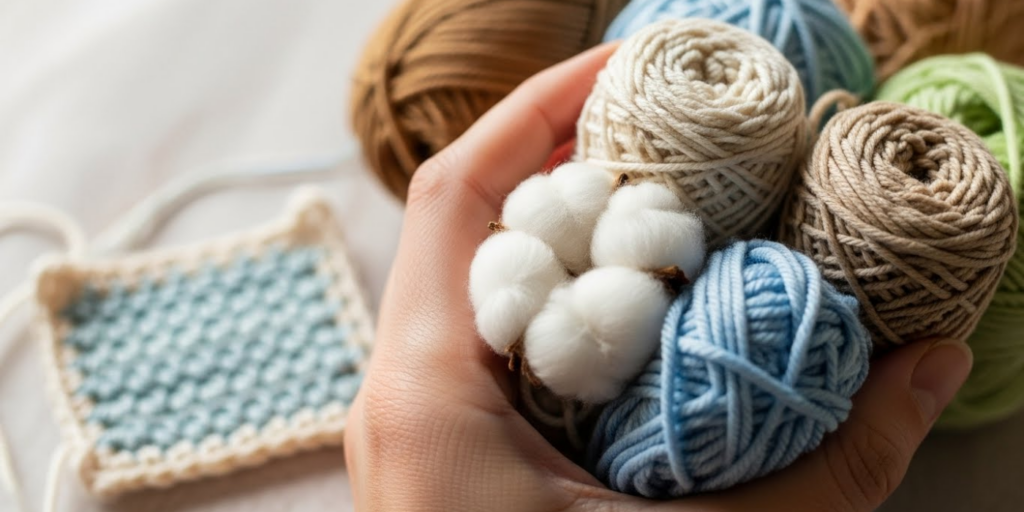
Not all yarns are created equal when it comes to next-to-skin comfort.
Cotton is naturally hypoallergenic and breathable, making it ideal for sensitive skin, babies, or hot climates. It wicks moisture away, so it feels cool against the skin—perfect for summer tops or baby bibs.
However, 100% cotton can feel rough or stiff when new (think: unbroken-in denim). It softens over time, but if you’re making something for delicate skin, look for premium combed cotton or blends with modal or bamboo.
Acrylic has come a long way. Modern versions (like Bernat Blanket or Red Heart Soft) are incredibly plush and lightweight. Many feel like fleece—great for cozy blankets or winter accessories.
But some people find acrylic itchy or “plasticky,” especially cheaper varieties. It also traps heat and sweat, which can cause discomfort in warm weather or for people with eczema.
Rule of thumb:
- Cotton = cool, crisp, breathable
- Acrylic = warm, plush, consistent
If you’re unsure, swatch and wear it! Drape your test square over your wrist for an hour. Does it feel comfortable? That’s your answer.
Cost and Accessibility: What Fits Your Budget?
Let’s be real—yarn budgets matter.
Acrylic yarn is generally more affordable than cotton. You can often buy a large skein of acrylic for under $5, while premium cotton may cost $8–$12 per skein. This makes acrylic ideal for:
- Large projects (like blankets or sweaters)
- Beginners practicing new stitches
- Group charity projects
Cotton, while pricier, offers long-term value for items that need durability (like dishcloths or market bags). And because it’s natural, many crafters feel it’s “worth the splurge” for heirloom-quality pieces.
Accessibility: Both fibers are widely available at big-box stores (like Michaels or Joann) and online. But color variety favors acrylic—you’ll find neon greens, metallics, and variegated prints far more easily in acrylic than cotton.
Smart strategy: Keep a stash of both! Use acrylic for bulky, cozy projects and cotton for structured, washable ones. Your hook (and your wallet) will thank you.
When to Choose Cotton (and When to Skip It)
Reach for cotton when you’re making:
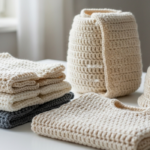
✅ Dishcloths, washcloths, or kitchen towels
✅ Summer garments (tank tops, lightweight cardigans)
✅ Market bags or structured totes
✅ Baby items for warm climates
✅ Projects where stitch clarity is key (lace, filet, amigurumi details)
Think twice if you’re making:
❌ Winter blankets (it won’t trap heat)
❌ Items that need stretch (like hats or socks—unless blended)
❌ Projects for very young babies with sensitive skin (unless it’s premium soft cotton)
When to Choose Acrylic (and When to Avoid It)
Acrylic shines for:
✅ Baby blankets, hats, and booties
✅ Large afghans or charity projects
✅ Cold-weather accessories (scarves, mittens)
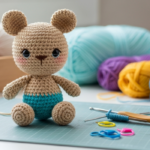
✅ Amigurumi (holds stuffing well and is easy to clean)
✅ Beginners learning tension or new stitches
Avoid acrylic for:
❌ Kitchen or bath items (it doesn’t absorb water well)
❌ Projects near heat sources (like oven mitts—can melt!)
❌ Eco-focused gifts (non-biodegradable)
❌ Garments for hot/humid climates (traps sweat)
The Best of Both Worlds: Blends to Consider
Can’t decide? Try a cotton-acrylic blend (often 50/50 or 60/40). These offer:
- The breathability and stitch definition of cotton
- The softness, elasticity, and easy care of acrylic
Popular blends include:
- Lion Brand Comfy Cotton Blend
- Paintbox Yarns Cotton DK (with acrylic for drape)
- Premier Yarns Cotton Fair
They’re especially great for baby clothes, lightweight sweaters, and dishcloths that stay soft.
Conclusion
So, cotton or acrylic? The truth is, there’s no “best” fiber—only the best fiber for your project. Cotton excels in structure, breathability, and natural appeal, while acrylic wins in affordability, softness, and fuss-free care. By understanding their strengths and limits, you can match yarn to intention with confidence.
Next time you’re at the store, ask yourself:
- Will this get wet often? → Cotton
- Is it a gift for a busy parent? → Acrylic
- Do I need crisp stitches? → Cotton
- Am I making a cozy throw? → Acrylic
Your projects will not only look better—they’ll last longer and bring more joy to the people who use them.
Now we’d love to hear from you: What’s your go-to fiber for everyday projects? Have you had a yarn disaster (or triumph) you learned from? Share your story in the comments below—and if this guide helped you choose your next skein, pass it along to a fellow maker! Happy stitching!

Sophia Williams is a crochet enthusiast who found in yarn and hooks a creative way to express calm, patience, and love for handmade art. Focused on the crochet niche, she shares her experience, techniques, and inspiration with those who want to learn, relax, and create meaningful pieces stitch by stitch.