
Introduction
What if every stitch you made didn’t just create something beautiful—but also helped protect the planet? As crafters, we pour hours of love into our projects, but few of us stop to consider the environmental footprint of the yarn in our stash. Traditional yarn production often relies on synthetic fibers derived from fossil fuels, chemical dyes, and water-intensive farming—impacting ecosystems and contributing to microplastic pollution.
The good news? A quiet revolution is happening in the fiber world. Eco-friendly yarns—made from organic, recycled, biodegradable, or regeneratively farmed materials—are now more accessible, affordable, and high-performing than ever. And they’re not just “green” in name: many offer superior softness, durability, and even better stitch definition than conventional options.
In this guide, we’ll introduce you to the top eco-friendly yarns every conscious crafter should try, from plant-based wonders like hemp and Tencel™ to innovative recycled fibers and responsibly sourced wool. You’ll learn what makes each yarn sustainable, how it feels to work with, and what kinds of projects it’s best for. Plus, we’ll share practical tips for reading labels, avoiding “greenwashing,” and building a more earth-friendly stash—without sacrificing creativity or quality.
Ready to stitch with purpose? Let’s dive into the future of fiber—one sustainable skein at a time.
Why Sustainable Yarn Choices Matter
Every year, the textile industry produces over 92 million tons of waste, and synthetic fibers like acrylic and polyester—common in budget yarns—can take up to 200 years to decompose. Worse, they shed microplastics with every wash, polluting oceans and entering the food chain.
Meanwhile, conventional cotton farming uses 16% of the world’s insecticides despite covering only 2.4% of cultivated land, and mass wool production can raise ethical concerns around animal welfare and land degradation.
But here’s the empowering part: your yarn choices matter. By opting for eco-conscious fibers, you support:
- Reduced water and chemical use
- Lower carbon emissions
- Fair labor practices
- Circular production models (like recycling old garments into new yarn)
As fiber artist and sustainability advocate Maya Lin says, “We don’t need to make less. We need to make better—with materials that honor both people and planet.”
Switching to eco-friendly yarns isn’t about perfection—it’s about progress. Even replacing one skein in your next project can ripple into real change.
1. Organic Cotton: Soft, Familiar, and Planet-Safe
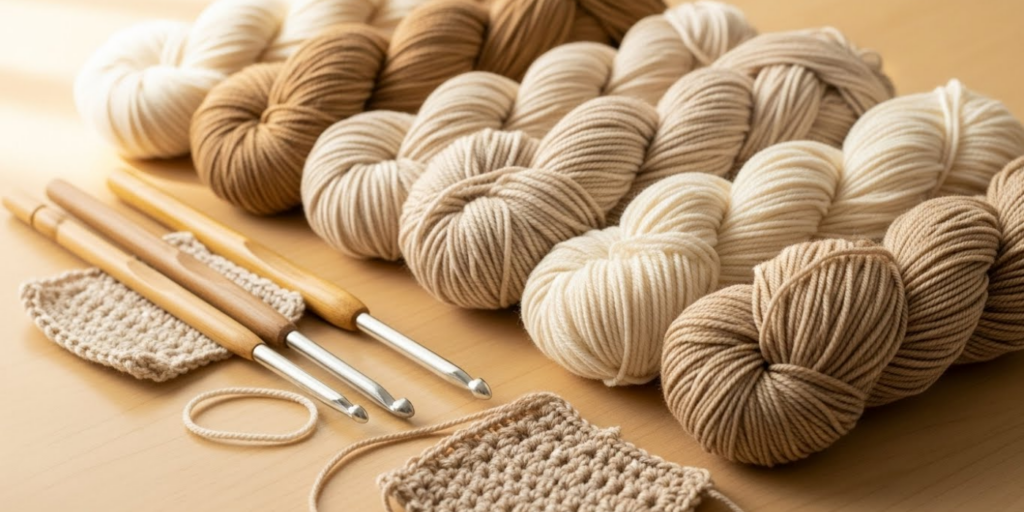
If you’ve crocheted or knitted before, you’ve likely used cotton. But organic cotton is a game-changer.
Unlike conventional cotton, organic cotton is grown without synthetic pesticides, GMOs, or toxic fertilizers. It uses up to 91% less water and promotes healthier soil through crop rotation.
Top picks:
- Lion Brand Organic Cotton (USDA-certified, soft, great for dishcloths and baby items)
- Hobbii Organic Cotton 8/4 (European-made, smooth, excellent for amigurumi and summer tops)
- WeCrochet’s Organic Cotton Worsted (GOTS-certified, strong stitch definition)
What it’s best for: Dishcloths, market bags, baby blankets, lightweight garments
Feel: Crisp yet soft, with a matte finish that shows off stitch patterns beautifully
Care tip: May shrink slightly—always pre-wash if making fitted items
One crafter, Elena from Texas, switched to organic cotton for her charity baby hats and noticed fewer skin sensitivities in hospital feedback. “It feels cleaner—like I’m gifting health, not just warmth.”
2. Hemp Yarn: The Underrated Powerhouse Fiber
Often overlooked, hemp is one of the most sustainable fibers on Earth. It grows rapidly without pesticides, enriches soil, and requires minimal water. Plus, it gets softer with every wash.
Modern hemp yarns are blended with cotton or modal to reduce stiffness, making them surprisingly pleasant to work with.
Top picks:
- Hemp Traders’ Hemp/Cotton Blend (55% hemp, 45% organic cotton—ideal for market bags and home decor)
- String Harvest Hemp Yarn (US-grown, biodegradable, perfect for rustic textures)
What it’s best for: Totes, coasters, placemats, plant hangers, durable home goods
Feel: Initially firm, but develops a lovely drape over time—think “linen, but earthier”
Bonus: Naturally antimicrobial and UV-resistant—great for outdoor projects
Pro tip: Use a slightly larger hook than usual to prevent tight, stiff fabric. And don’t worry—this hemp contains zero THC; it’s purely industrial fiber.
3. Tencel™ (Lyocell): Silky, Sustainable, and Stunning
Derived from responsibly harvested eucalyptus trees, Tencel™ (a brand of lyocell) is produced in a closed-loop process where 99% of solvents are recycled. The result? A fiber that’s biodegradable, silky smooth, and incredibly breathable.
Top picks:
- WeCrochet’s Brava Tencel™ Blend (acrylic-free, drapes like silk, available in vibrant colors)
- Rowan’s Tencel™ Luxe (luxury option for shawls and lightweight wraps)
What it’s best for: Drapey shawls, summer tops, baby wraps, elegant accessories
Feel: Cool, fluid, and lustrous—like a cross between silk and bamboo
Stitch tip: Shows lace and cable patterns exquisitely due to its sheen
A knitter in Oregon shared: “My Tencel™ shawl feels like wearing a cloud—and knowing it came from renewable trees makes it even more special.”
4. Recycled Fibers: Giving Old Garments New Life
Innovative brands are now turning post-consumer plastic bottles, discarded fishing nets, and textile waste into beautiful yarn.
Recycled cotton (from factory scraps) and recycled polyester (from PET bottles) reduce landfill waste and cut energy use by up to 50%.
Top picks:
- Lion Brand Re-Spun (made from 100% recycled cotton t-shirts—soft, slightly rustic, great for home decor)
- Bergère de France’s Recycled Wool Blend (warm, cozy, and guilt-free)
What it’s best for: Blankets, scarves, baskets, pet beds
Feel: Varies by blend—some are slightly nubby, others surprisingly smooth
Eco-impact: One skein of recycled polyester can repurpose 8–10 plastic bottles
Note: While recycled synthetics still shed microplastics, they’re a better second-life option than virgin polyester—and brands like ECONYL® (from ocean plastic) are pushing even further.
5. Regenerative & Traceable Wool: Ethical Warmth
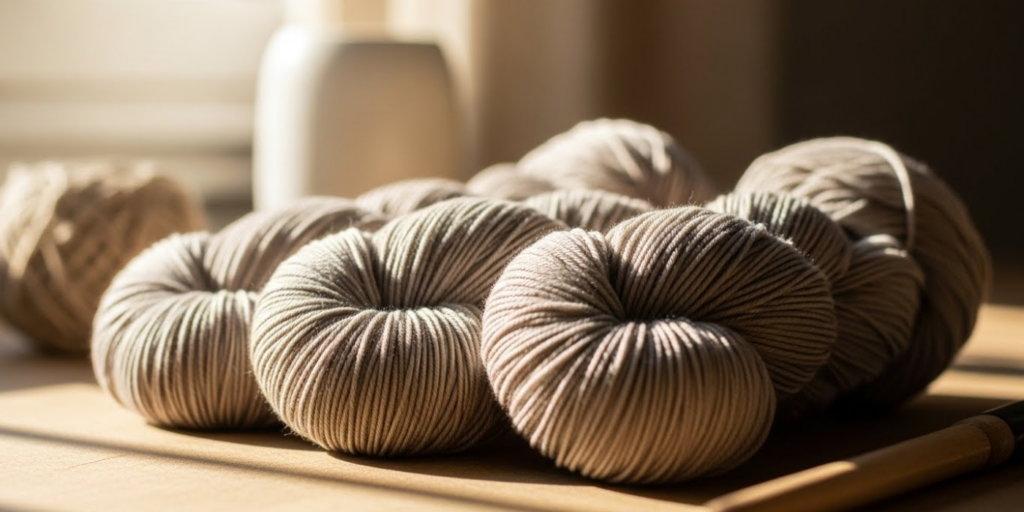
Not all wool is equal. Regenerative wool comes from farms that use holistic grazing to restore soil health, sequester carbon, and protect biodiversity. Traceable wool ensures humane animal treatment and transparent sourcing.
Top picks:
- The Woolly Thistle (UK) – small-batch, chemical-free, naturally dyed
- Blacker Yarns (Cornwall) – certified organic and regenerative
- Patagonia’s Responsible Wool – used in their knitwear line, but available to crafters via partnerships
What it’s best for: Sweaters, hats, mittens, blankets
Feel: Warm, resilient, and full of character—each skein tells a story
Bonus: Wool is biodegradable, fire-resistant, and odor-resistant
Look for certifications like RWS (Responsible Wool Standard), GOTS, or Soil Association Organic to avoid greenwashing.
As shepherd and spinner Fiona Hayes puts it: “Wool isn’t just fiber—it’s a relationship between land, animal, and maker. Choose wisely.”
How to Spot True Sustainability (and Avoid Greenwashing)
With terms like “natural,” “eco,” and “green” used loosely, it’s crucial to read beyond the label.
Ask these questions:
- Is the fiber certified? (Look for GOTS, Oeko-Tex, RWS, or Fair Trade)
- Is the brand transparent about sourcing and production?
- Is the dye process low-impact or natural?
- Is the packaging plastic-free or recyclable?
Red flags:
- Vague claims like “eco-friendly” with no proof
- “Bamboo” yarn that’s actually rayon/viscose (often made with toxic chemicals—unless labeled Tencel™ lyocell)
- No information about labor or farming practices
Pro tip: Support small, indie dyers on Etsy or farm-to-needle producers—they often have the most honest, sustainable practices.
Easy Ways to Build a Greener Stash
You don’t need to overhaul your entire craft room overnight. Start small:
- Replace one conventional yarn in your next project with an eco alternative
- Swatch first—eco yarns can behave differently than synthetics
- Join a yarn swap or buy secondhand via Ravelry or local groups
- Use up your stash before buying new—sustainability starts with what you already own
Remember: The most eco-friendly yarn is the one you already have. But when it’s time to buy, choosing planet-friendly options makes your craft part of the solution.
Conclusion
Choosing eco-friendly yarns isn’t just a trend—it’s a meaningful way to align your creativity with your values. From the earth-healing power of hemp to the silky promise of Tencel™ and the ethical warmth of regenerative wool, sustainable fibers offer beauty, performance, and peace of mind.
Every skein you choose sends a message to the industry: that crafters care about more than just price and color. We care about clean water, healthy soil, fair wages, and a livable planet for future makers.
So next time you’re browsing yarn online or in-store, pause and ask: Could this be greener? Then try one of the yarns we’ve highlighted. You might be surprised how luxurious, versatile, and inspiring sustainable fibers can be.
We’d love to hear from you!
Have you tried any eco-friendly yarns? Which one surprised you most? Share your favorite sustainable brands or project ideas in the comments below—and don’t forget to tag a fellow crafter who’s ready to stitch with purpose! Together, we can weave a better future, one eco-skein at a time. 🌱🧶

Sophia Williams is a crochet enthusiast who found in yarn and hooks a creative way to express calm, patience, and love for handmade art. Focused on the crochet niche, she shares her experience, techniques, and inspiration with those who want to learn, relax, and create meaningful pieces stitch by stitch.