Introduction
You’ve found the perfect pattern—maybe a cozy sweater, a baby blanket, or a vibrant market bag. You’re excited, hook or needles in hand… but then you stare at the yarn aisle, overwhelmed by hundreds of options. Will this yarn drape well? Will it pill after one wash? Is it soft enough for a newborn’s skin?
Choosing the right yarn isn’t just about color or price—it’s about matching fiber, weight, and texture to your project’s purpose. The wrong choice can lead to a stiff scarf, a stretched-out sweater, or a blanket that sheds lint everywhere. But the right yarn? It transforms your work from “homemade” to “heirloom.”
In this guide, we’ll walk you through everything you need to know to confidently select the best yarn for any project—whether you’re knitting socks, crocheting a shawl, or making a dishcloth. You’ll learn how to read yarn labels like a pro, understand fiber properties, match yarn weight to your pattern, and avoid costly mistakes. No more guessing—just smart, satisfying choices that make your finished piece look and feel its best.
Let’s turn yarn confusion into creative confidence.
Understand Yarn Weight: The Foundation of Any Project
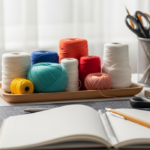
One of the most critical factors in yarn selection is weight—not how much the skein weighs, but how thick the yarn strand is. The Craft Yarn Council standardized yarn weights into 7 categories, from lace-thin to super bulky. Choosing the wrong weight can completely change your project’s size, drape, and texture.
Here’s a quick breakdown:
- Lace (0): Delicate shawls, doilies
- Fingering/Sock (1): Socks, baby garments
- Sport (2): Lightweight sweaters, baby items
- DK (3): Versatile for garments and accessories
- Worsted/Aran (4): Most common for blankets, hats, and beginner projects
- Bulky (5): Quick cowls, rugs, winter accessories
- Super Bulky (6): Arm-knit blankets, thick scarves
Pro tip: Always check your pattern’s recommended yarn weight. Substituting a bulky for a DK yarn might give you a sweater the size of a tent!
Gauge matters too. Even within the same weight category, yarns can vary slightly. Always swatch (make a small test square) and measure your stitches per inch. If your swatch is too loose or tight, try a different hook or needle size—but if it’s drastically off, the yarn itself might not be right.
Real-life example: Maria wanted to make a drapey shawl but used worsted instead of fingering yarn. The result? A stiff, heavy rectangle that refused to flow. A simple weight swap would’ve fixed it.
When in doubt, stick to the pattern’s suggestion—especially as a beginner.
Fiber Content: Softness, Durability, and Care

The fiber—what the yarn is made of—dictates how your finished item will feel, wear, and wash. Let’s compare common options:
Natural Fibers
- Wool: Warm, elastic, breathable. Great for sweaters and winter wear. But: Can be itchy; some require hand-washing.
- Merino Wool: Ultra-soft, less itchy. Ideal for next-to-skin items.
- Cotton: Absorbent, sturdy, machine-washable. Perfect for dishcloths, baby blankets, and summer tops. Downside: No stretch—can sag over time.
- Linen/Hemp: Strong, gets softer with washing, eco-friendly. Best for warm-weather garments.
- Silk: Luxurious drape and sheen. Often blended for strength.
Synthetic Fibers
- Acrylic: Affordable, durable, machine-washable, and soft. Great for beginners and charity projects. Caveat: Can pill and trap heat.
- Nylon: Often added to sock yarns for strength and elasticity.
- Polyester: Adds sheen and durability but lacks breathability.
Blends (e.g., wool/acrylic, cotton/bamboo) combine the best of both worlds—softness + washability, drape + structure.
Key insight: Consider who the item is for and how it will be used.
→ Baby blanket? Choose hypoallergenic, machine-washable cotton or acrylic.
→ Sweater for daily wear? Wool blend with nylon for shape retention.
→ Spa washcloth? 100% cotton for absorbency.
Also, check care instructions. A hand-wash-only silk shawl won’t survive weekly laundry with your jeans!
Matching Yarn to Project Type: Practical Guidelines
Now, let’s apply this knowledge to real projects:
Wearables (Sweaters, Scarves, Socks)
Choose yarns with memory and elasticity so they keep their shape. Wool, wool blends, or acrylics with nylon are ideal. For socks, look for “sock yarn”—a fingering-weight blend with 20–25% nylon for durability.
Baby Items
Prioritize softness and easy care. Hypoallergenic acrylic, organic cotton, or superwash merino are top choices. Avoid mohair or coarse wools.
Home Décor (Blankets, Pillows, Rugs)
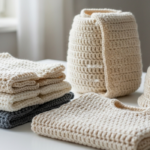
Durability and washability matter most. Acrylic or cotton hold up well to frequent use. For rugs, consider super bulky, non-shedding yarns or even t-shirt yarn.
Lace & Lightweight Projects
Use smooth, non-fuzzy fibers like merino, silk, or bamboo blends. Textured or fuzzy yarns (like mohair) obscure delicate stitch patterns.
Amigurumi & Toys
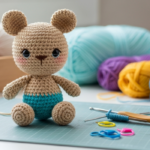
Go for tight, non-pilling worsted acrylic in solid colors. It’s easy to stuff, holds stitches tightly, and is safe for kids (check for non-toxic dyes).
Pro strategy: Keep a “stash cheat sheet” in your project bag:
- Worsted acrylic = go-to for practice and gifts
- Fingering merino = special shawls
- DK cotton = baby and kitchen projects
This saves time and reduces impulse buys that never get used.
Reading Yarn Labels Like a Pro
Yarn labels are packed with useful info—if you know what to look for. Here’s how to decode them:
- Brand & Yarn Name (e.g., “Lion Brand Wool-Ease”)
- Fiber Content (% wool, % acrylic, etc.)
- Weight Category (symbol + number: ◯4 = worsted)
- Yardage/Meters & Skein Weight (e.g., 197 yd / 180 m, 3 oz / 85 g)
- Recommended Hook/Needle Size
- Gauge (e.g., “16 sc = 4 inches”)
- Care Symbols (machine wash? tumble dry? lay flat?)
Critical tip: Always buy extra skeins from the same dye lot. Dye lots can vary slightly in color—even within the same brand. Running out mid-project means visible stripes.
Estimate how much you need:
- Check your pattern’s yardage requirement.
- Divide total yards needed by yards per skein.
- Round up—it’s better to have leftover yarn than to run short.
Example: A blanket needs 1,800 yards. Your yarn has 200 yards per skein. Buy 10 skeins (not 9) to be safe.
Also, feel the yarn in person if possible. Online photos can’t convey texture or stiffness.
Sustainable and Budget-Friendly Choices
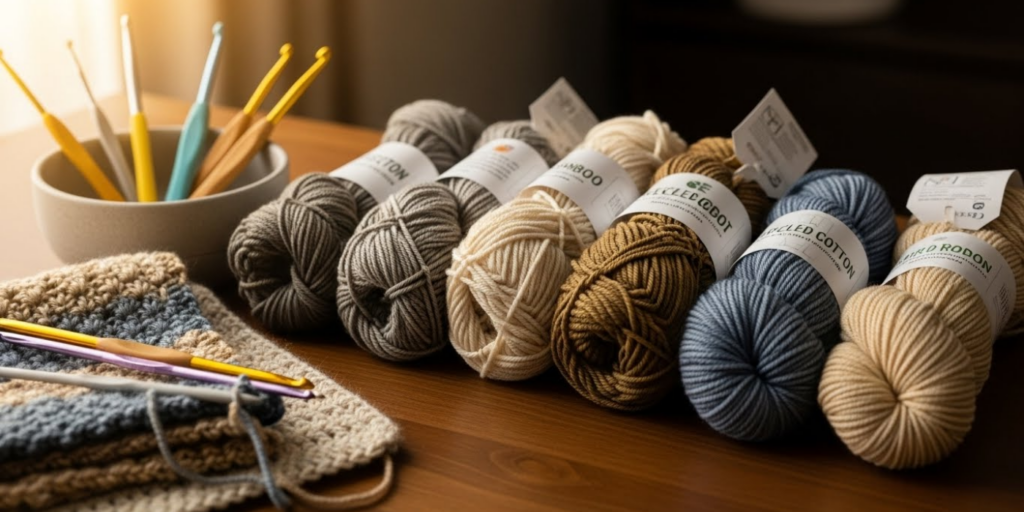
Yarn doesn’t have to break the bank—or the planet.
For tight budgets:
- Red Heart Super Saver, Lion Brand Basic Stitch, or Caron Simply Soft offer reliable quality at $3–$5 per skein.
- Shop sales, clearance bins, or thrift stores for vintage yarn (check for brittleness).
- Join yarn swap groups on Facebook or Ravelry.
For eco-conscious crafters:
- Look for certified organic cotton, Tencel™ (lyocell), or recycled fibers.
- Brands like We Are Knitters, Patagonia Provisions, and Berroco Ultra Wool prioritize sustainability.
- Consider plant-dyed or low-impact dyed yarns to reduce water pollution.
Bonus idea: Use scraps creatively. Make coasters, bookmarks, or granny squares for a future blanket. Nothing goes to waste.
Remember: Expensive ≠ better. A $2 acrylic can be perfect for a dog bed, while a $28 silk blend shines in a wedding shawl. Choose based on purpose, not price tag.
Final Thoughts: Yarn as Your Creative Partner
Choosing yarn is more than a technical decision—it’s an act of intention. It’s thinking ahead to how your scarf will feel around someone’s neck, how your blanket will comfort a sick friend, or how your market bag will hold up at the farmer’s market.
When you select thoughtfully, your yarn becomes a silent collaborator—supporting your stitches, enhancing your design, and bringing your vision to life.
Conclusion
Selecting the best yarn for any project boils down to three questions: What is it for? Who is it for? And how will it be cared for? By understanding yarn weight, fiber properties, project needs, and label details, you’ll make confident choices that lead to beautiful, functional, and long-lasting results.
Whether you’re reaching for soft cotton for a newborn’s hat or resilient wool for a hiking scarf, every skein you choose reflects your care as a maker. So take your time, swatch when needed, and trust your instincts.
We’d love to hear from you! What’s your go-to yarn for everyday projects? Have you ever picked the “wrong” yarn—and what did you learn? Share your tips, questions, or favorite brands in the comments below. And if this guide helped you avoid a yarn mishap, please share it with a fellow crafter. Together, let’s make every stitch count.

Sophia Williams is a crochet enthusiast who found in yarn and hooks a creative way to express calm, patience, and love for handmade art. Focused on the crochet niche, she shares her experience, techniques, and inspiration with those who want to learn, relax, and create meaningful pieces stitch by stitch.