Introduction
Close your eyes and imagine wrapping yourself in a blanket so soft it feels like a cloud, or slipping on socks that hug your feet like a warm whisper. That’s the magic of choosing the right yarn—not just for looks, but for feel.
When it comes to cozy projects—baby blankets, winter scarves, lounge wear, or gifts for someone special—softness isn’t a luxury; it’s essential. But not all “soft” yarns are created equal. Some pill after one wash, others irritate sensitive skin, and a few are so slippery they’re frustrating to work with.
In this guide, we’ll explore the softest, most luxurious yarn fibers available to crocheters and knitters, from budget-friendly acrylics to splurge-worthy natural blends. You’ll learn what makes each fiber uniquely soft, how to choose the best option for your project and skin sensitivity, and which brands consistently deliver that dreamy, sink-into-it texture. Plus, we’ll share tips on caring for soft yarns so they stay plush wash after wash.
Whether you’re making a gift for a newborn, a comforting wrap for a loved one, or a treat-yourself sweater, this guide will help you find the perfect yarn that feels as good as it looks.
1. Why Fiber Matters: The Science Behind Softness
Softness isn’t just about how a yarn feels in the store—it’s about fiber structure, micron count, and finish.
Natural fibers like merino wool are soft because their fibers are incredibly fine (measured in microns—anything under 21.5 microns is considered “superfine”). The smoother and more flexible the fiber, the less it pricks the skin.
Synthetic fibers like acrylic can mimic softness through chemical texturing, but quality varies widely. High-end acrylics are brushed or air-jet spun to create loft and silkiness, while cheap versions feel plasticky and stiff.
Blends often strike the best balance—combining the durability of synthetics with the breathability and drape of natural fibers.
Real-life example:
Lisa crocheted two baby blankets—one in bargain-bin acrylic, the other in a premium merino blend. The first felt rough after washing; the second remained buttery soft, even after months of use. The difference? Fiber quality.
So before you grab the prettiest skein, ask: What’s it made of? The answer determines not just comfort, but longevity and care.
2. Top 5 Softest Yarn Fibers (and Best Uses for Each)
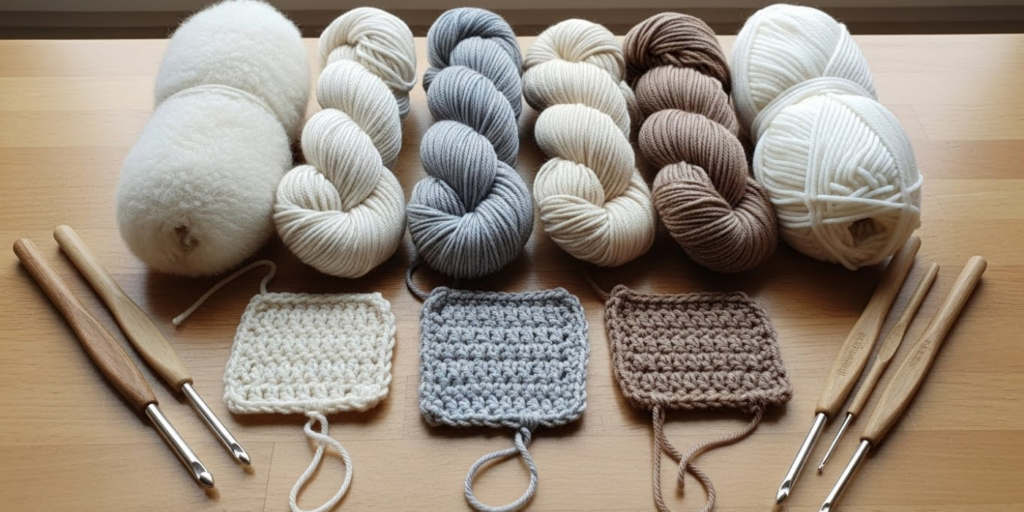
Here’s a breakdown of the softest fibers—ranked by comfort, workability, and suitability for cozy projects.
A. Merino Wool
Ultra-fine, naturally elastic, and temperature-regulating.
✅ Best for: Sweaters, shawls, baby items, socks
🚫 Watch out for: Price and felting (hand-wash only unless labeled “superwash”)
💡 Top pick: Malabrigo Worsted or Cascade 270 Superwash Merino
B. Alpaca
Silky, hypoallergenic (no lanolin), and warmer than wool. Has a beautiful drape but little memory (can stretch).
✅ Best for: Cowls, wraps, lightweight blankets
💡 Tip: Choose blends with wool or nylon for structure.
💡 Top pick: Lion Brand Alpaca Wool Blend or Berroco Andean Mist
C. Cotton (Especially Pima or Mercerized)
Breathable, cool, and soft—but can be dense and less elastic. Pima and mercerized cotton are smoother and shinier than regular cotton.
✅ Best for: Summer blankets, dishcloths, baby clothes
💡 Top pick: Lion Brand 24/7 Cotton or Knit Picks Comfy Fingering
D. Bamboo
Naturally silky, with a subtle sheen and excellent drape. Antimicrobial and eco-friendly.
✅ Best for: Lightweight shawls, tank tops, baby wraps
⚠️ Note: Pure bamboo can be weak when wet—look for blends with cotton or wool.
💡 Top pick: Berroco Folio or Lion Brand Bamboo Wool
E. Premium Acrylic (Yes, Really!)
Modern high-end acrylics are engineered for softness and durability. They’re machine-washable, affordable, and great for sensitive skin (no allergens).
✅ Best for: Blankets, kids’ wear, charity projects
💡 Top picks: Caron Simply Soft, Bernat Blanket Yarn (for ultra-plush textures), or Paintbox Yarns Simply DK
Pro insight: For babies or chemo patients, hypoallergenic, machine-washable acrylics like Lion Brand Feels Like Butta are often the safest—and softest—choice.
3. Budget-Friendly vs. Luxury Soft Yarns: What’s Worth the Splurge?
You don’t need to spend $30 per skein to make something cozy—but knowing when to invest matters.
Go budget-friendly when:
- Making large projects (e.g., afghans, bed blankets)
- Gifting to kids or pets (they’ll be tough on fabric)
- Practicing new stitch patterns
Top affordable soft yarns:
- Caron Simply Soft ($4–$6/skein): Silky, durable, 40+ colors
- Lion Brand Feels Like Butta ($6/skein): Buttery texture, vegan, machine-washable
- Bernat Blanket Yarn ($8/large skein): Plush chenille-style, perfect for quick throws
Splurge when:
- Making heirloom gifts (baby blankets, wedding shawls)
- Creating wearables that touch the face or neck
- You want natural fibers with breathability and temperature control
Luxury splurges worth it:
- Malabrigo Rios (superwash merino, hand-dyed, $25/skein)
- Anzula Squishy (merino-silk-nylon, $32/skein—dreamy for shawls)
- Cascade Eco Cloud (undyed merino/alpaca, $20/skein—like knitting with marshmallows)
Smart strategy: Use luxury yarn for the visible parts (like a sweater yoke) and budget yarn for hidden areas (sleeves, linings)—or alternate skeins in blankets for visual interest without full cost.
4. How to Test Softness Before You Buy (Even Online!)
Can’t touch the yarn in person? Use these tricks:
- Read the micron count (for wool): Under 21.5 = soft; under 19 = ultra-soft.
- Check fiber content: Avoid “wool” with no breed specified—it may be coarse. Look for “merino,” “cashmere,” or “alpaca.”
- Scan reviews: On sites like LoveCrafts or WeCrochet, real users often comment on softness and skin sensitivity.
- Look for certifications: Oeko-Tex® Standard 100 means the yarn is free from harmful chemicals—great for babies.
- Watch unboxing videos: Many yarn reviewers do “softness tests” on YouTube.
In-store test: Rub the yarn gently against your cheek (the most sensitive skin on your face). If it doesn’t itch or feel rough, it’s likely soft enough for sensitive users.
5. Caring for Soft Yarns: Keep Them Plush for Years
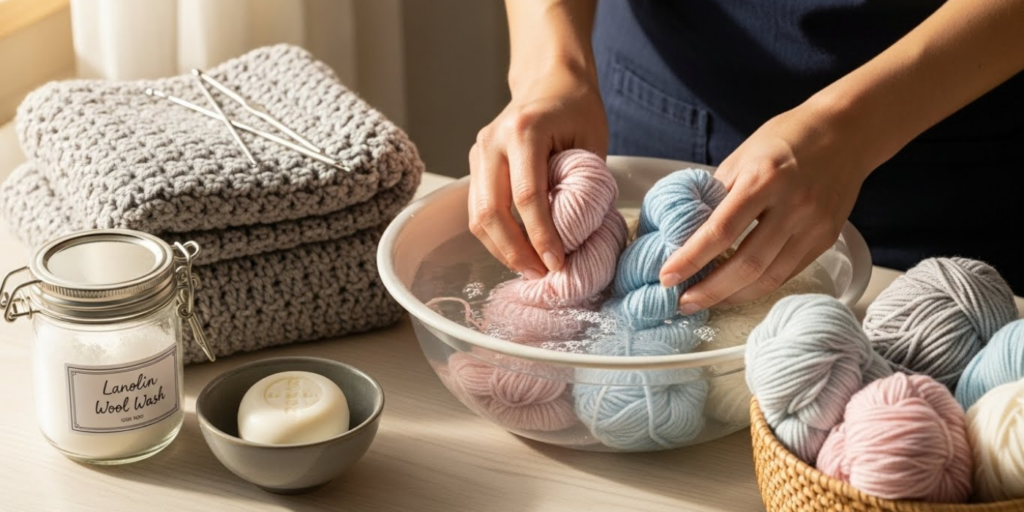
Even the softest yarn can turn rough or matted with improper care.
General rules:
- Wash in cold water on gentle cycle (or hand-wash).
- Avoid agitation and heat—both cause felting in wool and pilling in synthetics.
- Lay flat to dry—never hang, as soft yarns can stretch.
- Use a mesh laundry bag for machine washing to reduce friction.
- Skip fabric softener—it coats fibers and reduces breathability.
For acrylics: They don’t felt, but high heat can melt or stiffen them. Always air-dry or tumble dry on low.
For natural fibers: Store folded with cedar blocks (not plastic bags!) to prevent moths and moisture.
Bonus tip: A vinegar rinse (1 tbsp in final rinse water) can restore softness to wool or cotton after washing.
6. Project Ideas That Showcase Soft Yarns
Let your yarn shine with these cozy, softness-focused makes:
- Cloud Blanket: Use Bernat Blanket Yarn or Lion Brand Feels Like Butta in a simple granny stripe.
- Merino Baby Cocoon: A seamless wrap in Malabrigo Rios—gentle on newborn skin.
- Bamboo Summer Scarf: Lace-weight bamboo in a feather-and-fan stitch for breezy elegance.
- Alpaca Cowl: One skein of Berroco Andean Mist, worked in ribbing for maximum drape.
- Pima Cotton Toddler Cardigan: Breathable, soft, and easy to wash—perfect for daily wear.
Remember: Simple stitches often highlight softness best. Save complex cables or bobbles for structured yarns—let plush fibers speak for themselves.
Conclusion: Softness Is a Form of Care
Choosing the softest yarn isn’t just about comfort—it’s an act of kindness. Whether you’re wrapping a newborn in cloud-like fibers, gifting a chemo cap to a friend, or treating yourself to a sweater that feels like a hug, soft yarn carries your intention into every stitch.
We’ve explored the science of softness, top fiber types, budget vs. luxury options, and how to care for your creations so they stay plush for years. The key takeaway? Match the yarn to the purpose, the person, and the skin it will touch.
So next time you’re at the yarn shop or scrolling online, pause and ask: “Will this feel like love?” If the answer is yes, you’ve found the right one.
We’d love to hear from you: What’s the softest yarn you’ve ever used? Do you have a go-to brand for baby blankets or cozy wearables? Share your favorites in the comments below! And if this guide helped you choose your next project yarn, pass it along to a fellow maker who believes softness matters. Happy stitching—you’re weaving comfort into the world, one plush stitch at a time.

Sophia Williams is a crochet enthusiast who found in yarn and hooks a creative way to express calm, patience, and love for handmade art. Focused on the crochet niche, she shares her experience, techniques, and inspiration with those who want to learn, relax, and create meaningful pieces stitch by stitch.