Introduction
You’ve spent hours perfecting your stitches, sourcing the softest yarns, and crafting pieces that feel like wearable hugs. But when you list them online, crickets. No likes, no shares, no sales. Sound familiar?
Here’s the truth: great crochet isn’t enough. In today’s handmade market, your talent needs a megaphone—and that’s where smart, strategic marketing comes in.
Whether you sell on Etsy, Instagram, at craft fairs, or through your own website, growing a sustainable crochet business requires more than just beautiful products. It demands storytelling, consistency, audience connection, and a clear brand identity.
In this guide, we’ll walk you through practical, proven marketing strategies that real crochet entrepreneurs use to attract loyal customers, stand out in a crowded market, and turn passion into profit. From crafting an irresistible brand story to leveraging social media algorithms and pricing with confidence, these tips are designed for makers—not marketers.
So if you’re ready to stop shouting into the void and start building a business that thrives, let’s turn your hook and yarn into a brand people love and remember.
1. Define Your Niche—and Own It
“Crochet for everyone” is a recipe for invisibility. The most successful handmade businesses thrive because they solve a specific problem for a specific person.
Ask yourself:
- Who loves your work the most? (New moms? Brides? Pet lovers?)
- What makes your pieces different? (Eco-friendly yarns? Custom pet portraits? Heirloom baby blankets?)
- What emotion do you want customers to feel? (Comfort? Joy? Nostalgia?)
Real-life example:
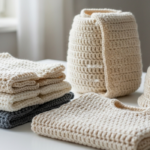
Emma started selling generic dishcloths on Etsy with little traction. Then she pivoted to “mindful kitchen kits”—hand-crocheted cloths paired with herbal tea and a note about slowing down. Her ideal customer? Overwhelmed working moms craving calm. Sales tripled in two months.
Why this works:
A clear niche helps you:
- Craft targeted messaging
- Choose the right platforms (e.g., Instagram for visual lifestyle products, Facebook groups for baby items)
- Build a recognizable brand identity
Action step: Finish this sentence: “I help ______ feel ______ by making ______.”
Example: “I help new grandparents feel connected to their grandbaby by making personalized, heirloom-quality crochet keepsakes.”
When you speak directly to one person, you resonate with many.
2. Master the Art of Visual Storytelling
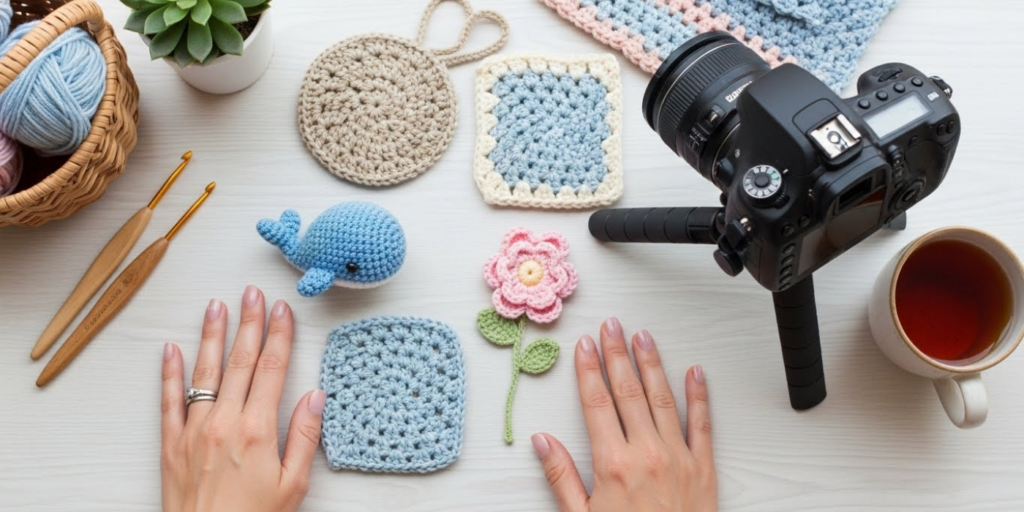
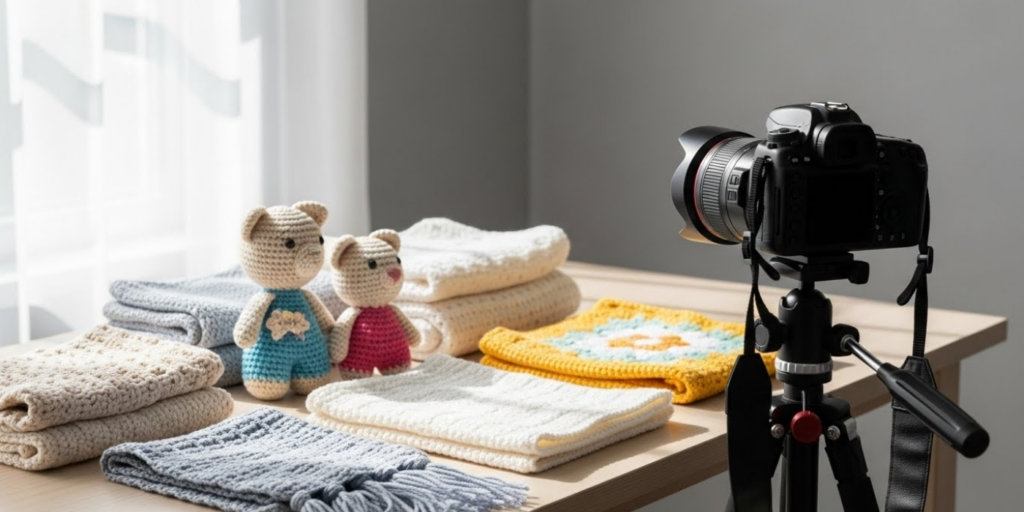
In a world of scroll-happy shoppers, your product photos aren’t just images—they’re your sales team.
Bad lighting, cluttered backgrounds, or flat-lay-only shots won’t cut it. Instead, show your work in action:
- A cozy shawl draped over a chair by a window
- A baby wrapped in your blanket, sleeping peacefully
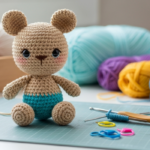
- A custom amigurumi sitting on a child’s bedside table
Pro photography tips (no fancy camera needed):
- Use natural light near a window—never harsh midday sun
- Shoot on a clean, neutral background (white poster board or a light wood table)
- Include lifestyle shots + detail close-ups (stitch texture, handmade tags, yarn labels)
- Show scale—place a common object (like a coffee mug) next to your item
Bonus: Add short videos! Film a 10-second reel of your shawl flowing in the breeze or your amigurumi “waving.” Instagram and TikTok favor video content, and it builds trust by showing movement and texture.
Remember: People don’t just buy a crochet hat—they buy the feeling of warmth, care, and individuality it represents. Your visuals should tell that story before they read a word.
3. Build a Brand, Not Just a Shop
Your brand is more than a logo—it’s your voice, values, and vibe. Consistency builds recognition and trust.
Start with the basics:
- Color palette: Choose 2–3 core colors (e.g., cream, sage, and terracotta) and use them in photos, packaging, and social posts.
- Typography: Pick one clean font for headings and one readable font for body text. Stick to them everywhere.
- Voice: Are you warm and nurturing? Playful and quirky? Minimalist and elegant? Speak that way in every caption, bio, and product description.
Packaging matters too.
Even a simple kraft mailer with a handwritten thank-you note and a sprig of dried lavender makes customers feel valued. Include a small branded tag on your items—this turns your product into a walking advertisement when worn or gifted.
Pro move: Create a “brand board” (a simple Pinterest board or Canva doc) with your colors, fonts, photo examples, and brand words. Refer to it before posting or listing anything.
When every touchpoint feels cohesive, customers remember you—not just your product.
4. Leverage Social Media Strategically (Not Just Randomly)
Posting daily without a plan is exhausting—and ineffective. Instead, focus on one or two platforms where your ideal customer spends time, and use them with intention.
Instagram & Reels:
- Post 3–4x/week (mix of reels, carousels, and stories)
- Use niche hashtags: #crochetforbabies, #slowfashioncrochet, #handmadeheirloom (not just #crochet)
- Go behind the scenes: film your yarn selection, stitch close-ups, or packaging process
TikTok:
- Share “satisfying” process videos (e.g., weaving in ends, adding safety eyes)
- Use trending sounds with a crochet twist (“Get ready with me… to frog 3 rounds!”)
- Answer common questions: “How much should I charge for a custom amigurumi?”
Pinterest:
- Create searchable pins with clear text overlays: “Easy Crochet Baby Blanket Pattern – Free!”
- Link pins directly to your product or blog post
- Pinterest is a search engine—optimize pin titles with keywords like “boho crochet shawl,” “custom dog sweater pattern,” etc.
Most importantly: Engage more than you promote. Comment on other makers’ posts, reply to every DM, and ask questions in your stories. Algorithms reward connection, not just content.
5. Price Confidently—Your Time Is Worth It

Underpricing is the #1 reason crochet businesses burn out. If you’re charging $20 for a blanket that took 15 hours to make, you’re earning less than $1.50/hour—and devaluing the entire handmade community.
Use this simple formula:
(Materials) + (Time × Hourly Rate) + (Overhead + Profit) = Price
Example:
- Yarn: $12
- Time: 12 hours × $15/hour = $180
- Overhead (packaging, fees, etc.): $8
- Total: $200
Yes, it feels scary at first. But customers pay for value, not just labor. A handmade baby blanket isn’t competing with Walmart—it’s competing with love, care, and uniqueness.
How to justify your price:
- Tell the story: “Each blanket takes 2 weeks to make, with organic cotton and hand-stitched details.”
- Offer payment plans for big-ticket items (via Etsy or PayPal)
- Never apologize for your prices—frame them as an investment in quality and care
Remember: You attract the right customers by valuing yourself first.
6. Turn Customers Into Raving Fans (and Repeat Buyers)
One-time buyers are nice—but loyal customers keep your business alive.
Try these low-effort loyalty builders:
- Include a handwritten note with every order (“Made just for you, Sarah! — Maria”)
- Offer a small freebie (e.g., a mini crochet heart or stitch marker)
- Send a follow-up email 1 week after delivery: “How’s your shawl? Need help styling it?”
- Create a private Instagram group for past customers with early access to new drops
Bonus: Ask for reviews—but make it easy. Include a note: “Love your blanket? A photo and 2-sentence review on Etsy would mean the world!”
Why this works: People buy from people they know, like, and trust. Every touchpoint is a chance to deepen that relationship.
7. Collaborate, Don’t Just Compete
The handmade world is big enough for all of us. Collaborations amplify your reach without ad spend.
Ideas to try:
- Partner with a local photographer for a styled shoot (you provide the blanket, they provide the backdrop)
- Swap features with a complementary maker (e.g., you make baby blankets, they make wooden teethers)
- Join or host a virtual market with other Etsy sellers
One crochet artist teamed up with a children’s book illustrator to create custom amigurumi based on story characters—both gained hundreds of new followers.
Remember: Your network is your net worth. Lift others, and they’ll lift you.
Conclusion: Your Crochet Deserves to Be Seen
Growing a crochet business isn’t about being the loudest—it’s about being the most intentional. By defining your niche, telling your story through visuals, building a consistent brand, and pricing with confidence, you create a business that doesn’t just survive, but thrives.
You’re not just selling stitches—you’re offering comfort, connection, and craftsmanship in a mass-produced world. That’s powerful. And it’s worth marketing well.
So pick one tip from this list and try it this week. Maybe it’s reshooting your product photos in natural light, or rewriting your Etsy bio to speak directly to your ideal customer. Small steps lead to big momentum.
Now we’d love to hear from you: What’s your biggest marketing challenge right now? Struggling with photos? Pricing? Finding your niche? Share in the comments below—your question might be the spark that helps someone else too. And if this guide helped you, share it with a fellow maker who’s ready to grow. Your art deserves an audience. Go find them.

Sophia Williams is a crochet enthusiast who found in yarn and hooks a creative way to express calm, patience, and love for handmade art. Focused on the crochet niche, she shares her experience, techniques, and inspiration with those who want to learn, relax, and create meaningful pieces stitch by stitch.